Architects Great at Making Concrete Plan: A Designer’s Real-World Embroidery Review
First Impressions: Clean, Confident, and Craft-Friendly
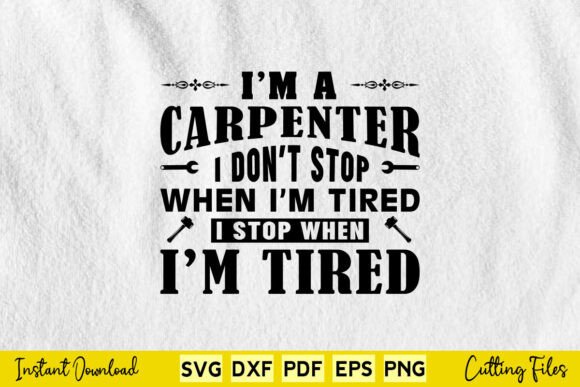
The Architects Great at Making Concrete Plan design immediately strikes me as a strong contender for crafters and small business owners looking to add a touch of professional flair to their embroidered items. Visually, the design leans into a minimalist yet bold aesthetic—perfect for those who appreciate clean lines and architectural motifs without overcomplicating the layout.
It's clearly aimed at a niche audience: design-savvy makers, Etsy sellers, and craft entrepreneurs who want to offer something unique but wearable. The SVG format gives it flexibility across a wide range of products, from t-shirts to mugs to embroidered patches. As a designer, I can already picture how this would translate to a boutique tote or a custom sweatshirt for a client in the construction or design field.
Real-World Use: From Concept to Stitched Reality
I recently tested this design on a sample tote bag and a cotton sweatshirt—two common items for handmade shops and personalized gifts. The results were surprisingly clean, especially considering how detailed the original graphic is. The key to its success lies in how well it balances negative space and solid elements. It doesn’t feel too busy when stitched out, and the font choice is readable without being too delicate.
For custom apparel like t-shirts and hoodies, this design holds up well, especially in mid to large sizes. It reads clearly from a distance, which is great for branding or gifting. I also tried it on a baby onesie, and while the font size needs careful adjustment, it still came through with a subtle, professional charm.
If you're an Etsy seller or small shop owner, this design works well for items like embroidered aprons, pillow covers, and even holiday-themed tea towels. The architectural theme is versatile enough to appeal to both men and women, especially around events like Father’s Day or graduation season.
Where to Be Careful: Fabric, Size, and Placement Considerations
Like any machine embroidery design, there are limitations to be aware of. The text is a bit fine in the original layout, so shrinking it down for small hoop sizes can cause legibility issues. If you're planning to use it on baby caps or tiny patches, I recommend simplifying or thickening the lettering slightly for clarity.
On textured or stretchy fabrics like knits or fleece, the design maintains its shape but loses a bit of crispness around the edges. I noticed this most when stitching it onto a soft sweatshirt fabric—nothing disastrous, but worth testing with a printable mockup or scrap piece first. For dark fabrics, the light-colored threads can get lost a bit, so I’d suggest using a white underlay or switching to a bolder color palette.
Curved surfaces like baseball caps or rounded corners of tote bags also pose a challenge. The design’s straight lines and angular elements don’t bend as naturally as more organic shapes would. You’ll need to adjust placement carefully or consider resizing to fit the curve better.
Visual Appeal and Business Impact
From a visual standpoint, the Architects Great at Making Concrete Plan design brings a level of professionalism that many handmade items lack. It has a modern, slightly edgy vibe that can elevate a simple t-shirt into a boutique-worthy piece. For small business merchandise or employee gifts, this design communicates competence and creativity—two qualities that resonate well with clients and customers.
It also boosts giftability. Whether you're selling to architects, construction workers, or DIYers, the design speaks directly to their identity. That kind of emotional connection is gold for craft business owners looking to stand out in a crowded Etsy market.
For digital product sellers, this SVG file is a smart addition to your design assets. It’s versatile enough to be used in multiple contexts, and the clear theme makes it easy to market. Just be sure to include a variety of mockups—both on light and dark fabrics—to show potential buyers how it looks in different applications.
Designer’s Notes: Practical Tips for Best Results
Before stitching this out on a final product, always run a test on a scrap of the same fabric you’ll be using. This helps you catch any issues with stitch density or thread color contrast early. I found that using a medium-weight stabilizer helped maintain the design’s structure, especially on looser weaves.
Pay attention to the hoop size—if you’re working with a smaller hoop, you may need to resize or simplify the design. Also, inspect the corners and fine lines to make sure they stitch cleanly without pulling or bunching. A little tweaking can make a big difference in the final look.
Try it in black and white first to see how the contrast works. If you’re planning to use it on both light and dark garments, test thread combinations to ensure legibility and visual balance. And if you're selling finished items or digital embroidery files, double-check the licensing to make sure it’s approved for commercial use.
Final Thoughts: A Solid Choice for Crafters and Sellers
Overall, the Architects Great at Making Concrete Plan design earns a spot in my go-to collection for client projects and handmade shop items. It’s clean, professional, and adaptable—three qualities that are essential for anyone selling embroidered goods or digital design files.
Whether you're creating a personalized gift, a custom apparel item, or a commercial embroidery project, this design brings value and visual interest without overcomplicating the process. Just keep in mind the fabric and size considerations, and you’ll have a polished, customer-ready product every time.