Yes I'm a Carpenter, I Can't Fix Stupid – A Bold Embroidery Design for Humor-Loving Makers
First Impressions: Sharp, Sassy, and Perfectly Crafted for Personality
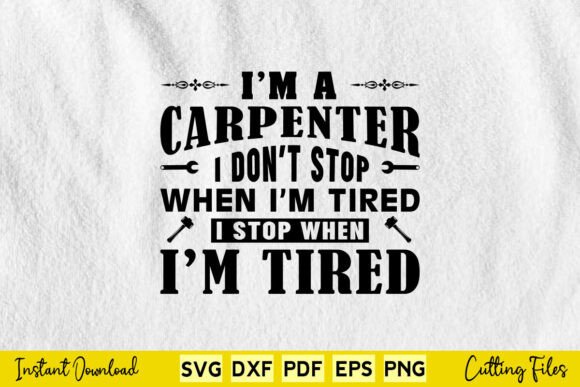
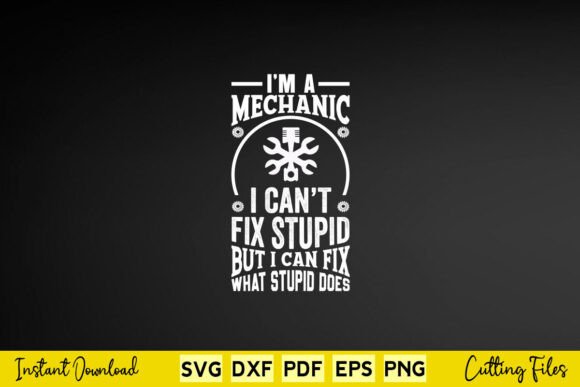
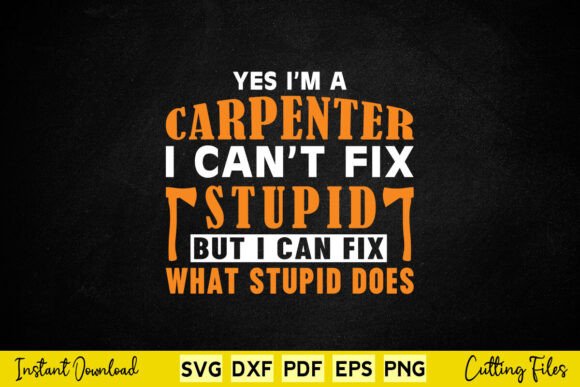
When I first opened the preview for Yes I'm a Carpenter, I Can't Fix Stupid, I immediately pictured a rugged tool tote, a custom apron for a workshop gift, or a laid-back hoodie for a contractor’s spouse. The design has a punchy, conversational tone that leans heavily into the humor of the trade. It's not overly stylized, which makes it feel authentic and easy to apply across a variety of craft and apparel items.
The font is bold and slightly distressed, giving it that hand-painted, slightly imperfect charm that resonates with handmade audiences. The layout is linear and horizontal, which makes it ideal for chest placements on shirts, front panels of tote bags, or even embroidered patches. There’s no unnecessary embellishment – just clean lines, readable text, and a strong visual voice.
Real-World Use: From Sweatshirts to Workshop Swag
I recently tested Yes I'm a Carpenter, I Can't Fix Stupid on a custom embroidered sweatshirt for a client whose husband is a contractor. The result was spot-on – the design stitched cleanly with minimal thread breaks, and the lettering held up well even in a mid-weight knit fabric. The satin and fill stitches were balanced, avoiding that dreaded “puffy” look that can make embroidery feel cheap.
What stood out was how the design translated humor into a wearable, marketable product. I could easily see this being used in a small shop setting – whether as a ready-to-ship item or a customizable option for Etsy customers. It’s especially suited for gift items like aprons, tote bags, and even baby onesies (with a little parental humor, of course).
Where to Use It Carefully: Fabric and Fit Matter
While the design is straightforward, it still requires some thoughtful application. On stretchy fabrics like cotton jersey or lightweight knits, I noticed slight distortion in the corners if the stabilizer wasn’t properly layered. It’s best to use a medium-weight cutaway stabilizer for soft garments to maintain shape and clarity.
Dark fabrics can also pose a challenge. I tested the design in both light and dark thread variations and found that a white or light gray outline helped the text pop better on black or navy backgrounds. Also, if you're working with textured fabrics like denim or canvas, the lettering remains crisp but may need a slight reduction in stitch density to avoid stiffness.
Be cautious when placing it on curved surfaces like caps or baby hats – the horizontal layout doesn’t naturally conform to curved panels. If you're using it on a curved surface, test the placement first or consider adjusting the layout slightly for better visual balance.
Design Performance Across Embroidery Projects
- Custom Apparel: Works great on t-shirts and hoodies, especially if you're targeting humor-based niches like tradespeople, DIYers, or sarcastic spouses.
- Workshop Swag: Perfect for embroidered aprons, tool pouches, or shop towels. Adds a personal touch to everyday workwear.
- Baby & Kids: As a onesie or baby cap, it reads more as playful than edgy – just make sure the audience is appropriate!
- Holiday & Wedding Gifts: Great for personalized gift items like pillow covers or mugs (when printed digitally), especially for couples in the trades.
- Commercial Embroidery: Ideal for small business merchandise – think embroidered tote bags for a contractor’s shop or branded sweatshirts for team gifts.
How It Elevates Your Product
From a visual appeal standpoint, Yes I'm a Carpenter, I Can't Fix Stupid brings a conversational edge to any product. It’s not just a design – it’s a statement. That kind of personality can increase customer trust and engagement, especially for handmade sellers who want to stand out in a crowded Etsy or craft fair market.
It also helps with brand consistency if you're curating a line of humorous tradesperson-themed items. The design’s clarity and readability make it instantly recognizable, which is key for giftability and repeat customer interest.
However, because of its sassier tone, it may not be suitable for all audiences. I’d recommend it more for niche markets or custom orders rather than mass retail, unless you know your demographic well.
Designer Notes: Test, Adjust, and Confirm Before Production
Before jumping into full production, always test this design on a similar fabric to your intended project. I recommend:
- Running a test stitch on scrap fabric to check for distortion or thread tension issues.
- Trying both light and dark thread color variations to see which gives the best contrast and clarity.
- Checking stitch density, especially in the fill areas of the letters, to avoid stiffness or puckering.
- Confirming hoop size compatibility – this design works best in mid to large hoop sizes due to its horizontal layout.
- Using a quality stabilizer – especially for stretchy or textured materials.
- Reviewing licensing terms if you're selling finished products or digital mockups, as this is a digital embroidery file intended for both personal and commercial use.
Final Thoughts: A Witty, Wearable Design for Craft Entrepreneurs
Yes I'm a Carpenter, I Can't Fix Stupid is more than a funny phrase – it’s a practical, versatile embroidery design that fits well in a variety of real-world projects. Whether you're a small shop owner, Etsy seller, or just a hobbyist with a sense of humor, this design adds character and marketability to your handmade goods.
It’s not overly complex, which makes it a good option for both beginner and experienced embroiderers. Just keep fabric type and placement in mind, and you’ll end up with a polished, professional-looking product that customers will appreciate – and maybe even laugh at.